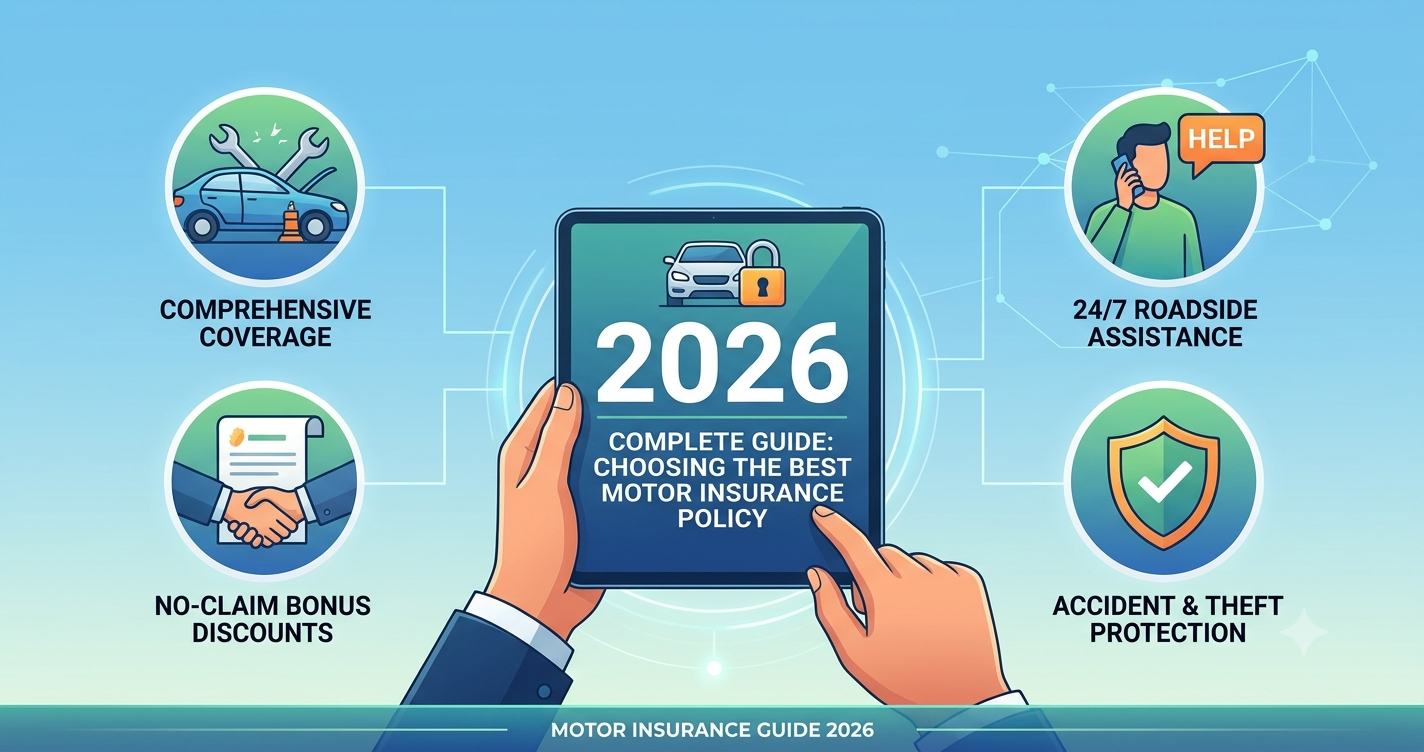
Vehicle Insurance 2026: Complete Guide to Choosing the Best Motor Insurance Policy
Vehicle insurance continues to be one of the most important financial protections for car and bike owners in 2026. Whether you own a brand-new electric vehicle, a family SUV, a luxury sedan, or a commuter motorcycle, having the right insurance policy protects you from unexpected financial losses. Accidents, theft, natural disasters, vandalism, and third-party liabilities can result in significant expenses. A suitable insurance policy ensures that these risks do not become a major financial burden.
The motor insurance industry has also evolved considerably. Digital policy issuance, instant claim settlement, AI-powered inspections, telematics-based premiums, and cashless repair services have become more common. Insurance providers are offering flexible plans, personalized premiums, and optional add-ons that allow policyholders to customize their coverage according to their driving habits and vehicle usage.
This comprehensive guide explains everything you need to know about vehicle insurance in 2026, including policy types, benefits, premium calculation, claim procedures, and expert tips for selecting the best insurance plan.
What is Vehicle Insurance?
Vehicle insurance is a legal agreement between the vehicle owner and the insurance company. In exchange for a premium, the insurer agrees to compensate the policyholder for covered losses resulting from accidents, theft, fire, floods, earthquakes, storms, or third-party liabilities. Depending on the type of policy purchased, insurance can cover damage to your own vehicle, injuries to other people, and property damage caused during an accident.
Why Vehicle Insurance is Important in 2026
Road traffic continues to increase every year, resulting in a higher risk of accidents and vehicle damage. Repair costs have also risen because modern vehicles contain advanced sensors, cameras, electronics, and safety systems that are expensive to replace.
Vehicle insurance provides financial security by covering repair expenses, medical liabilities, legal obligations, and replacement costs after theft or major damage. In many countries, at least third-party insurance is legally mandatory before driving on public roads.
Types of Vehicle Insurance
| Insurance Type | Coverage | Suitable For |
|---|---|---|
| Third-Party Insurance | Covers injuries, death, or property damage caused to another person. | Minimum legal requirement. |
| Comprehensive Insurance | Covers own vehicle damage along with third-party liabilities. | Most private vehicle owners. |
| Standalone Own Damage | Covers only damages to your own vehicle. | Vehicles already having third-party insurance. |
| Commercial Vehicle Insurance | Protection for taxis, trucks, buses, delivery vehicles, and fleets. | Business owners. |
| Electric Vehicle Insurance | Special coverage for EV batteries, charging systems, and components. | Electric vehicle owners. |
Major Benefits of Vehicle Insurance
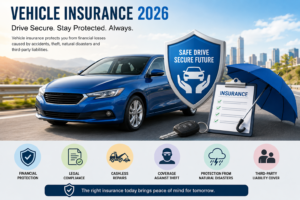
Financial Protection
Accidents can lead to expensive repair bills. Insurance significantly reduces out-of-pocket expenses and protects your savings.
Legal Compliance
Third-party motor insurance is mandatory in many countries. Driving without valid insurance may result in penalties, fines, license suspension, or legal action.
Cashless Repairs
Many insurance providers have partnerships with authorized garages where vehicles can be repaired without making immediate payments. The insurer directly settles the repair bill according to policy terms.
Protection Against Natural Disasters
Floods, earthquakes, cyclones, hailstorms, and landslides may cause severe vehicle damage. Comprehensive insurance generally provides coverage for such situations.
Coverage Against Theft
If your insured vehicle is stolen and cannot be recovered, the insurance company may compensate you according to the insured declared value (IDV) after completing the required legal procedures.
Popular Add-On Covers in 2026
| Add-On | Purpose |
|---|---|
| Zero Depreciation Cover | Reduces depreciation deductions during claim settlement. |
| Engine Protection | Covers engine damage caused by water ingress or oil leakage. |
| Roadside Assistance | Provides towing, battery jump-start, fuel delivery, and emergency support. |
| Return to Invoice | Offers invoice value instead of depreciated value in case of total loss. |
| Consumables Cover | Covers nuts, bolts, engine oil, lubricants, and similar consumables. |
| Key Replacement | Pays for replacing lost or damaged vehicle keys. |
Factors That Affect Insurance Premium
Insurance companies calculate premiums using several risk factors. These include the vehicle’s age, make and model, engine capacity, geographical location, previous claim history, driving record, insured declared value, selected add-on covers, annual mileage, and anti-theft devices installed in the vehicle.
Drivers who maintain a clean claim history often receive lower premiums through No Claim Bonus (NCB), while frequent claims may increase renewal costs.
How to Choose the Best Vehicle Insurance Policy
Compare Multiple Plans
Always compare policies from different insurance companies before making a purchase. Compare premiums, claim settlement ratio, customer support, exclusions, network garages, and available add-ons.
Understand Policy Coverage
Read the policy document carefully to understand what is covered and what is excluded. Never purchase insurance based solely on the lowest premium.
Select Appropriate Add-Ons
Choose add-ons based on your driving habits. A frequently driven car may benefit from roadside assistance, while a new vehicle may require zero depreciation and return-to-invoice coverage.
Check Claim Settlement Process
A company with a simple digital claim process and faster settlement can save considerable time during emergencies.
Vehicle Insurance Claim Process
Step 1
Inform your insurance company immediately after an accident or theft.
Step 2
Take photographs and videos of the damaged vehicle and surrounding area whenever possible.
Step 3
File a police report if required, especially in cases involving theft, injuries, or significant property damage.
Step 4
Submit all required documents, including the insurance policy, driving license, vehicle registration certificate, repair estimates, and claim form.
Step 5
The insurer appoints a surveyor to inspect the vehicle before approving repairs or compensation.
Step 6
After verification, the claim is settled either through cashless repair at a network garage or reimbursement according to policy conditions.
Common Mistakes to Avoid
- Choosing insurance based only on the lowest premium.
- Ignoring exclusions mentioned in the policy.
- Failing to renew insurance before expiry.
- Not updating vehicle modifications.
- Skipping useful add-on covers.
- Providing incorrect information while purchasing the policy.
- Delaying accident reporting.
Future Trends in Vehicle Insurance
The insurance industry in 2026 is increasingly adopting artificial intelligence, machine learning, connected vehicles, and real-time driving analytics. Usage-based insurance is becoming more popular, allowing safe drivers to receive lower premiums based on actual driving behavior. Mobile applications now support digital policy management, online renewals, document storage, instant claim tracking, and AI-assisted vehicle inspections.
Electric vehicles are also driving innovation in insurance products. Specialized plans now include battery protection, charging equipment coverage, and software-related risk management. As autonomous driving technology continues to improve, insurance policies are expected to evolve further to address new liability models.
Frequently Asked Questions
Is third-party insurance enough?
It satisfies legal requirements but does not cover damage to your own vehicle. Comprehensive insurance offers broader financial protection.
What is No Claim Bonus?
No Claim Bonus is a reward given to policyholders who do not make claims during the policy period. It generally reduces renewal premiums.
Can I transfer my insurance when selling my vehicle?
Yes. Most insurers allow policy transfer after completing ownership transfer documentation according to applicable regulations.
Should I buy add-ons?
If you own a new or high-value vehicle, add-ons such as zero depreciation, roadside assistance, and engine protection can provide additional financial security.
Conclusion
Vehicle insurance in 2026 is much more than a legal requirement. It is an essential financial safeguard that protects drivers against accidents, theft, natural disasters, and third-party liabilities. With advanced digital services, flexible coverage options, AI-powered claims, and customized premium models, purchasing and managing motor insurance has become easier than ever.
Before buying any policy, carefully compare coverage, premium, exclusions, customer service, claim settlement efficiency, and available add-ons. A well-chosen insurance policy provides peace of mind, protects your investment, and ensures that unexpected events do not create unnecessary financial stress.
Related Insurance Articles
Read more helpful insurance guides from InsuranceNoww:
Leave a Reply