
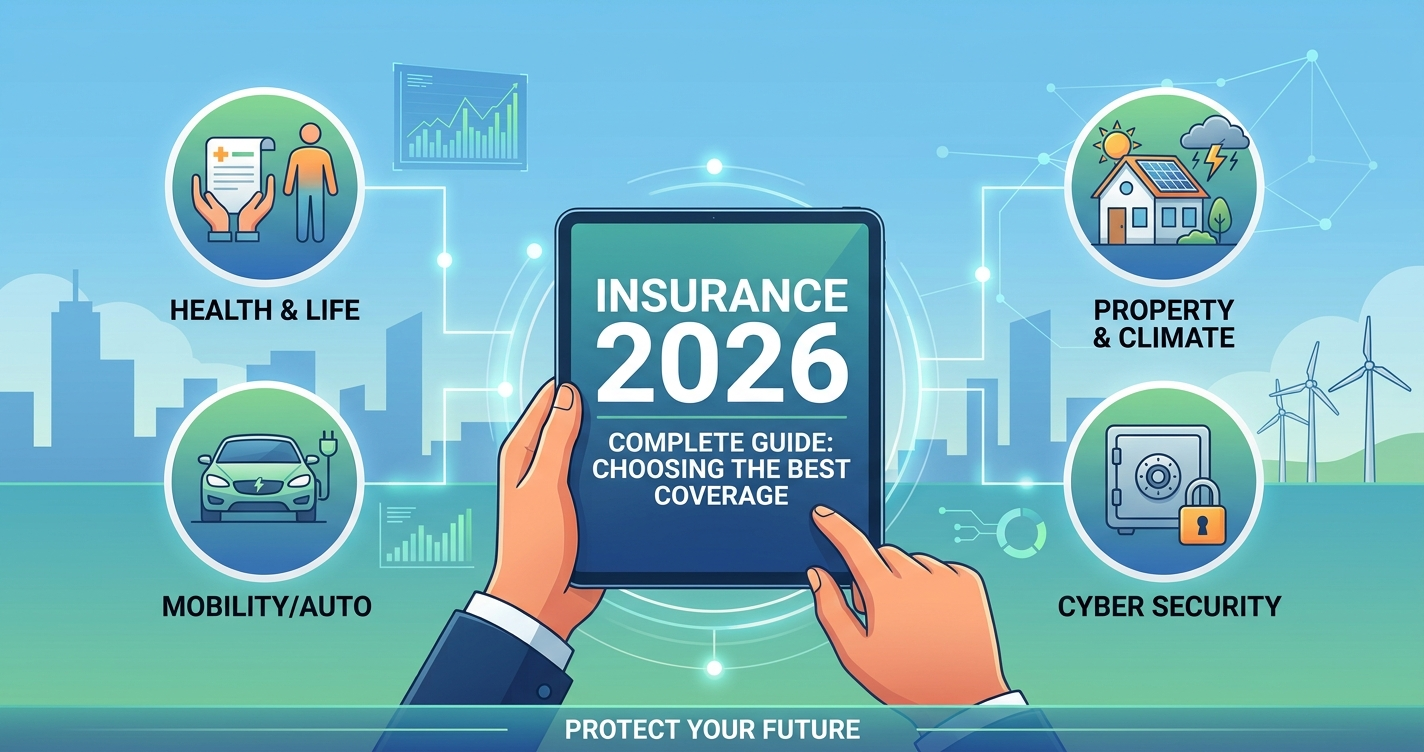
Complete Guide to Insurance: Protect Your Future with the Right Coverage
Insurance is one of the most important financial tools for individuals, families, and businesses. It provides financial protection against unexpected losses, helping people recover from accidents, medical emergencies, natural disasters, theft, and other unforeseen events. Without proper insurance coverage, a single unfortunate event can create a significant financial burden that may take years to overcome.
Today, insurance has become more accessible than ever before. Whether you need health insurance, life insurance, vehicle insurance, travel insurance, or home insurance, there are policies designed to fit different budgets and requirements. Understanding how insurance works and choosing the right policy can help you safeguard your financial future while providing peace of mind.

What Is Insurance?
Insurance is a legal agreement between the policyholder and an insurance company. Under this agreement, the policyholder pays a premium, and in return, the insurer agrees to provide financial compensation for covered losses or damages according to the terms of the policy.
The main objective of insurance is risk management. Instead of bearing the full financial burden of an accident or loss, the risk is shared among many policyholders through the insurance provider.
Why Insurance Is Important
Many people underestimate the importance of insurance until they face an emergency. Insurance acts as a financial safety net that protects your savings and ensures you can recover quickly from unexpected situations.
- Provides financial security
- Protects family members
- Reduces financial stress
- Helps during medical emergencies
- Protects valuable assets
- Supports long-term financial planning
- Offers legal compliance for certain policies
- Encourages financial discipline
Major Types of Insurance
| Insurance Type | Purpose | Main Benefits |
|---|---|---|
| Health Insurance | Covers medical expenses | Hospitalization, surgeries, medicines |
| Life Insurance | Financial support to family | Death benefit and long-term savings |
| Motor Insurance | Vehicle protection | Accident and theft coverage |
| Home Insurance | Property protection | Damage from fire, theft, disasters |
| Travel Insurance | Travel-related risks | Medical emergencies and trip cancellation |
| Business Insurance | Business protection | Property, liability, employee coverage |
| Term Insurance | Pure life protection | Affordable high coverage |
| Personal Accident Insurance | Accident protection | Disability and accidental death benefits |
How Insurance Works
The insurance process is simple. You purchase a policy by paying a premium. The insurance company evaluates the level of risk associated with your policy and determines the premium amount. If a covered event occurs, you file a claim. After verifying the claim, the insurer provides compensation according to the policy terms.
This system helps millions of people manage financial risks without exhausting their savings.
Benefits of Having Insurance
Financial Protection
The biggest advantage of insurance is financial protection. Instead of paying the entire cost yourself, the insurance company shares the financial burden.
Peace of Mind
Knowing that your family, health, property, and vehicle are protected helps reduce stress and allows you to focus on achieving your personal and professional goals.
Legal Compliance
In many countries, vehicle insurance is legally mandatory. Having the appropriate insurance helps you comply with regulations while protecting yourself from financial liabilities.
Savings and Investment Opportunities
Certain life insurance plans combine insurance protection with investment options, helping individuals build wealth while maintaining life coverage.
Business Stability
Businesses rely on insurance to protect equipment, inventory, employees, and operations. Without insurance, unexpected events can seriously impact business continuity.
Understanding Insurance Premiums
An insurance premium is the amount you pay to keep your policy active. Several factors influence premium costs.
| Factor | Impact on Premium |
|---|---|
| Age | Older individuals generally pay higher premiums. |
| Medical History | Health conditions may increase premiums. |
| Coverage Amount | Higher coverage usually results in higher premiums. |
| Occupation | Risky professions may have higher insurance costs. |
| Location | Areas with higher risks may increase premiums. |
| Driving Record | Safe drivers often receive discounts. |
Choosing the Right Insurance Policy
Selecting the right insurance policy requires careful research. You should compare multiple insurance providers, understand policy terms, evaluate exclusions, and determine the level of coverage needed.
Reading customer reviews, checking claim settlement ratios, and comparing premium costs are also important steps before purchasing any insurance policy.
Assess Your Needs
Every individual has different financial responsibilities. Families with children may prioritize life insurance, while young professionals may focus on health and accident insurance.
Compare Multiple Plans
Never purchase the first insurance plan you see. Compare features, premium costs, claim processes, waiting periods, and customer support.
Read Policy Exclusions
Many policyholders only read the benefits section. However, understanding exclusions is equally important because they explain situations where claims may not be approved.
Understand Deductibles
A deductible is the amount you pay before the insurance company starts covering expenses. Higher deductibles generally reduce premium costs.
Common Insurance Terms You Should Know
| Term | Meaning |
|---|---|
| Premium | Regular payment made for insurance coverage. |
| Policy | The legal insurance agreement. |
| Claim | Request for compensation. |
| Coverage | Protection offered by the policy. |
| Deductible | Amount paid by the policyholder before insurance applies. |
| Nominee | Person receiving policy benefits. |
| Insurer | The insurance company. |
| Policyholder | Person purchasing the insurance. |
Health Insurance: A Smart Investment
Medical treatment costs continue to rise every year. Health insurance protects individuals from expensive hospital bills and medical emergencies. It often covers hospitalization, surgeries, emergency care, daycare procedures, ambulance services, and preventive health checkups.
Purchasing health insurance early in life can result in lower premiums and broader coverage options.
Life Insurance for Financial Security
Life insurance ensures your family’s financial stability if something unexpected happens to you. It can help your loved ones pay household expenses, children’s education costs, outstanding loans, and future financial commitments.
Term insurance is often considered one of the most affordable ways to secure substantial financial protection.
Motor Insurance: Protecting Your Vehicle
Motor insurance provides financial protection against road accidents, theft, natural disasters, fire, and third-party liabilities. Comprehensive insurance offers broader protection than third-party insurance by covering damages to your own vehicle as well.
To understand vehicle protection in greater detail, read our internal guide:
Road Insurance Benefits, Types & Complete Guide
Home Insurance for Property Protection
Your home is one of your most valuable investments. Home insurance protects the structure as well as household belongings against risks such as fire, storms, floods, theft, vandalism, and other covered events.
Many homeowners overlook home insurance, but rebuilding or repairing property without coverage can be financially overwhelming.
Travel Insurance Explained
Travel insurance protects travelers against unexpected events during domestic and international trips. Coverage often includes emergency medical treatment, lost baggage, flight delays, passport loss, and trip cancellations.
Frequent travelers can benefit from annual travel insurance plans that provide continuous coverage throughout the year.
Business Insurance Matters
Businesses face numerous risks, including property damage, lawsuits, cyber threats, employee injuries, and equipment failures. Business insurance minimizes these risks and supports operational continuity.
Small businesses especially benefit from liability insurance because legal claims can otherwise become financially devastating.
How to File an Insurance Claim
- Inform the insurance company immediately.
- Collect all required documents.
- Submit the claim form.
- Provide supporting evidence.
- Cooperate with claim investigations.
- Receive claim approval and settlement.
Common Reasons Insurance Claims Are Rejected
- Providing incorrect information.
- Policy lapse due to unpaid premiums.
- Delayed claim reporting.
- Claims outside policy coverage.
- Missing documentation.
- Violation of policy conditions.
Tips to Save Money on Insurance
- Compare multiple insurers.
- Purchase insurance early.
- Maintain a healthy lifestyle.
- Bundle multiple insurance policies.
- Choose suitable deductibles.
- Review policies annually.
- Avoid unnecessary add-ons.
- Maintain a good driving history.
Digital Transformation in Insurance
The insurance industry has embraced digital technology. Today, customers can compare policies, purchase insurance, renew plans, track claims, upload documents, and receive customer support online. Artificial intelligence, automation, and digital verification have significantly improved claim processing speed.
Online insurance platforms also provide transparency, allowing customers to compare coverage, benefits, and premiums within minutes.
Insurance Mistakes to Avoid
- Buying insurance based only on price.
- Ignoring policy exclusions.
- Choosing insufficient coverage.
- Not updating nominees.
- Skipping annual policy reviews.
- Providing inaccurate information.
- Missing premium payment deadlines.
Future of Insurance
The insurance sector continues evolving through artificial intelligence, blockchain technology, digital underwriting, telematics, wearable devices, and personalized risk assessments. Customers now expect faster claim settlements, transparent pricing, and fully digital experiences.
Usage-based vehicle insurance, AI-powered fraud detection, and predictive analytics are transforming how insurers assess risk and serve customers.
Frequently Asked Questions
Which insurance should everyone have?
Health insurance and life insurance are generally considered essential because they protect against the largest financial risks faced by most families.
How much life insurance is enough?
The ideal coverage depends on income, liabilities, future expenses, dependents, and long-term financial goals.
Can I have multiple insurance policies?
Yes. Many individuals own multiple policies such as health insurance, life insurance, vehicle insurance, home insurance, and travel insurance.
What happens if I miss a premium payment?
Many insurers provide a grace period. If payment is not made within that period, the policy may lapse, resulting in loss of coverage.
Should I buy insurance online?
Buying insurance online offers convenience, transparent comparisons, faster processing, and often lower administrative costs. However, always review policy details carefully before purchasing.
Final Thoughts
Insurance is more than just a financial product—it is a long-term strategy for protecting your family, health, property, income, and future. The right insurance policy helps you recover from unexpected events without disrupting your financial stability. Whether you are purchasing your first health insurance plan, protecting your home, insuring your vehicle, or planning your family’s financial future through life insurance, informed decisions make a significant difference.
Before selecting any policy, compare coverage options, understand policy exclusions, evaluate claim settlement performance, and choose a trusted insurance provider. Regularly reviewing your insurance portfolio ensures that your coverage continues to meet your changing financial needs. By investing in the right insurance today, you build a stronger, more secure future for yourself and your loved ones.
Leave a Reply