How Smart Insurance Decisions Can Protect Your Wealth in 2026: The Complete Insurance Planning Guide
Introduction
Insurance is no longer just a financial product—it has become one of the most important tools for protecting your future. As the cost of healthcare, vehicles, homes, education, and business operations continues to rise, a single unexpected event can create a significant financial burden. Making smart insurance decisions helps individuals and families prepare for these uncertainties while maintaining long-term financial stability.
In 2026, insurance companies are offering more personalized coverage options, faster claim processing, and digital policy management than ever before. However, having many choices also means selecting the wrong policy has become easier. Buying insurance simply because it has the lowest premium can leave important risks uncovered when you need protection the most.
Whether you are purchasing health insurance, car insurance, life insurance, home insurance, travel insurance, or business insurance, understanding your needs before purchasing a policy is essential. Smart insurance decisions are based on evaluating risks, comparing benefits, understanding exclusions, and planning for future financial goals instead of focusing only on price.
This guide explains why making informed insurance choices is more important than ever, the financial consequences of remaining uninsured, and practical ways to secure your future through proper insurance planning. Whether you are buying your first policy or reviewing existing coverage, these insights will help you make confident decisions throughout 2026.
Why Smart Insurance Decisions Matter in 2026
The insurance industry has evolved rapidly over the past few years. Digital platforms now allow customers to compare policies instantly, complete online verification, receive digital policy documents, and file claims through mobile applications. While these innovations make insurance easier to purchase, they also require consumers to understand exactly what they are buying.
Medical inflation continues to increase treatment costs every year. A hospitalization that once required a modest expense may now cost several lakhs depending on the illness and hospital. Similarly, vehicle repair costs have increased because modern cars use advanced electronic systems and expensive components. Property repair expenses have also risen due to higher construction and material costs.
Without adequate insurance coverage, these unexpected expenses can quickly consume savings that took years to build. A carefully selected insurance policy transfers much of this financial risk to the insurer, allowing families to recover without major disruptions to their financial goals.
Smart insurance decisions also contribute to better financial planning. Instead of reacting to emergencies, policyholders prepare in advance by selecting coverage that matches their lifestyle, income, family size, and long-term objectives. This proactive approach reduces stress and helps maintain financial stability during difficult situations.
Another important factor in 2026 is customization. Many insurers now offer flexible add-ons, higher coverage limits, wellness benefits, cashless healthcare networks, roadside assistance, cyber protection, accidental disability coverage, and premium discounts for healthy lifestyles. Choosing these features wisely ensures that your policy provides genuine value rather than unnecessary extras.
Insurance should be viewed as an investment in financial security rather than an unavoidable expense. A small premium paid regularly can prevent significant financial losses later, making insurance one of the most effective risk-management tools available today.
Financial Risks Without Insurance
Many people delay purchasing insurance because they believe unexpected events are unlikely to happen. Unfortunately, accidents, illnesses, natural disasters, theft, and other emergencies often occur without warning. Without insurance, individuals must rely entirely on personal savings or loans to cover these expenses.
For example, a major medical emergency can require hospitalization, surgeries, specialist consultations, diagnostic tests, and long-term medication. Without health insurance, these expenses can quickly exhaust emergency funds and create long-term debt.
Similarly, vehicle accidents may result in repair costs, third-party liabilities, legal expenses, and medical treatment. Homeowners without property insurance face the risk of paying for repairs caused by fire, floods, storms, or theft entirely from their own pocket.
Families without life insurance may struggle financially after losing the primary income earner. Mortgage payments, education expenses, daily living costs, and household responsibilities continue even after such an unfortunate event. Life insurance provides financial support during these difficult times and helps families maintain their standard of living.
Business owners also face financial uncertainty without proper insurance. Equipment damage, employee injuries, cyberattacks, legal claims, and operational disruptions can threaten business continuity. Appropriate business insurance helps organizations recover faster and continue serving customers with minimal interruption.
Ignoring insurance is often more expensive than paying regular premiums. Smart insurance planning minimizes financial uncertainty and allows individuals to focus on achieving long-term financial goals instead of worrying about unexpected emergencies.
Comparison of Having Insurance vs Remaining Uninsured
| Situation | With Smart Insurance Coverage | Without Insurance |
|---|---|---|
| Medical Emergency | Large portion of hospital expenses covered according to policy terms. | Entire treatment cost paid from personal savings or loans. |
| Vehicle Accident | Repair costs and third-party liabilities are financially protected. | Owner bears repair bills and legal liabilities personally. |
| Home Damage | Financial assistance for covered damages from insured events. | Repair and replacement costs become personal responsibility. |
| Family Financial Security | Life insurance supports dependents after the policyholder’s death. | Family may experience severe financial hardship. |
| Business Interruption | Insurance helps recover operational losses and continue business. | Unexpected losses may threaten business survival. |
Different Insurance Types
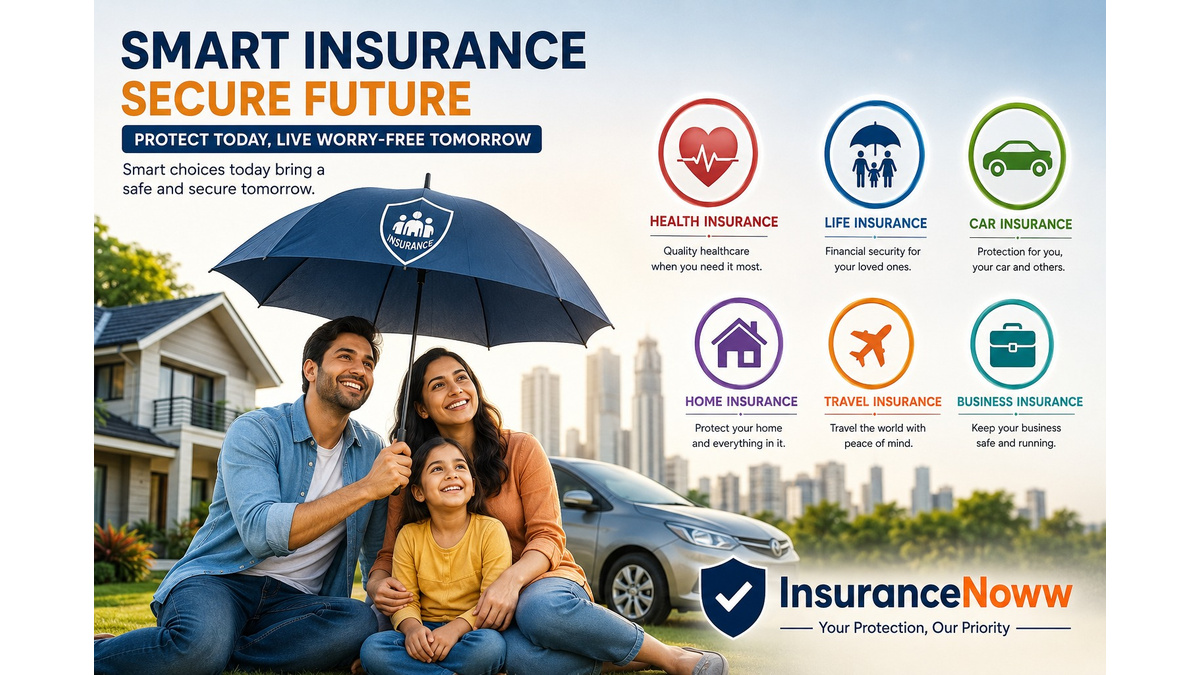
Choosing the right insurance starts with understanding the purpose of each type of policy. Every insurance product is designed to protect against a specific financial risk. Instead of purchasing multiple policies without a plan, it is better to identify your personal and financial priorities. A balanced insurance portfolio provides comprehensive protection while keeping premiums affordable.
Health Insurance
Health insurance is one of the most essential financial safeguards in 2026. Rising healthcare costs, advanced medical treatments, and longer hospital stays make medical insurance a necessity rather than an option. A quality health insurance policy offers hospitalization benefits, cashless treatment at network hospitals, pre- and post-hospitalization coverage, and protection against expensive medical emergencies.
Life Insurance
Life insurance provides financial support to your family if something unexpected happens to you. It helps dependents manage daily expenses, education costs, outstanding loans, and long-term financial commitments. Choosing adequate life insurance ensures your loved ones remain financially secure even during difficult times.
Motor Insurance
Whether you own a car, bike, or commercial vehicle, motor insurance protects against accidents, theft, natural disasters, and third-party liabilities. Comprehensive motor insurance generally provides broader coverage than basic third-party insurance by including damage to your own vehicle along with liability protection.
Home Insurance
A home is one of the biggest investments most people make. Home insurance protects both the building and personal belongings against covered risks such as fire, storms, theft, and certain natural disasters. Homeowners and tenants can both benefit from suitable property insurance based on their individual needs.
Travel Insurance
Travel insurance has become increasingly important for both domestic and international travelers. It can provide financial assistance for medical emergencies, baggage loss, passport loss, flight delays, cancellations, and other travel-related disruptions that may otherwise become expensive.
Business Insurance
Business owners should consider insurance that protects property, equipment, employees, inventory, professional liabilities, and cyber risks. The right business insurance minimizes financial disruption and helps maintain operations after unexpected incidents.
How to Choose the Right Policy
Selecting insurance should involve more than comparing premium prices. The best policy is one that provides sufficient protection for your current lifestyle while remaining useful as your responsibilities grow. Before purchasing any insurance, evaluate your income, family size, financial obligations, assets, and future goals.
Always compare policy features instead of focusing only on cost. Check the coverage amount, waiting periods, exclusions, deductibles, claim settlement process, renewal conditions, and optional add-ons. Reading the policy document carefully helps avoid misunderstandings during claim settlement.
It is also wise to purchase insurance from companies with a strong reputation for customer service and efficient claims handling. A policy is valuable only if it performs well when you actually need financial support.
Review your insurance every year. Major life events such as marriage, purchasing a home, starting a business, having children, or changing jobs often require updates to your insurance coverage. Regular policy reviews ensure your protection keeps pace with your changing financial situation.
Digital Insurance Trends in 2026
Technology continues to transform the insurance industry. Digital platforms allow customers to purchase policies, compare coverage options, renew plans, and submit claims entirely online. This has improved convenience while reducing paperwork and processing times.
Artificial intelligence is helping insurers analyze risks more accurately, detect fraudulent claims, and provide personalized policy recommendations. Customers can receive instant premium estimates and automated support through intelligent chat systems that simplify the buying process.
Mobile applications now enable policyholders to access digital insurance cards, monitor claim status, update personal information, schedule inspections, and receive renewal reminders from their smartphones. Many insurers also encourage preventive healthcare by rewarding healthy lifestyles through wellness programs and premium discounts.
Cyber insurance is another growing trend as individuals and businesses increasingly depend on digital services. Protection against cyberattacks, identity theft, and data breaches has become an important consideration in today’s connected world.
Common Insurance Mistakes
Many policyholders make avoidable mistakes that reduce the effectiveness of their insurance coverage. One common error is purchasing insurance based solely on the lowest premium. While affordable premiums are attractive, insufficient coverage may result in substantial out-of-pocket expenses during emergencies.
Another frequent mistake is failing to disclose accurate information during the application process. Incorrect medical history, incomplete personal details, or inaccurate financial information can delay or even reject future claims.
People also forget to review their insurance after major life changes. As responsibilities increase, outdated coverage may no longer provide adequate financial protection. Ignoring policy exclusions, missing premium payments, and failing to nominate beneficiaries are additional mistakes that can create complications later.
Finally, many individuals postpone buying insurance until they actually need it. Insurance is designed to prepare for uncertainty before problems occur, making early planning far more beneficial than delayed action.
Expert Tips for Smarter Insurance Planning
- Assess your financial risks before purchasing any insurance policy.
- Choose adequate coverage instead of selecting the cheapest premium.
- Compare multiple policies before making a final decision.
- Read policy terms, exclusions, and waiting periods carefully.
- Review your insurance portfolio every year.
- Keep digital and physical copies of all policy documents.
- Update nominee information whenever major family changes occur.
- Purchase insurance early to benefit from lower premiums and broader eligibility.
Insurance Comparison Based on Different Needs
| Insurance Type | Primary Purpose | Best For | Major Benefit |
|---|---|---|---|
| Health Insurance | Medical expense protection | Individuals and families | Reduces hospitalization costs |
| Life Insurance | Family financial security | Income earners | Provides financial support to dependents |
| Motor Insurance | Vehicle and liability protection | Vehicle owners | Covers accident-related financial losses |
| Home Insurance | Property protection | Homeowners and tenants | Protects homes and belongings against covered risks |
| Travel Insurance | Travel-related financial protection | Domestic and international travelers | Provides support during travel emergencies |
| Business Insurance | Business continuity and risk management | Business owners | Protects operations, assets, and liabilities |
Why Choose InsuranceNoww?
Finding the right insurance policy can be overwhelming, especially with the wide variety of plans available in 2026. InsuranceNoww is committed to simplifying this process by providing reliable insurance information, expert guidance, and practical resources that help individuals, families, and businesses make informed financial decisions.
At InsuranceNoww, our goal is to educate readers about different insurance products, explain complex insurance terms in simple language, and share the latest industry trends. Whether you are exploring health insurance, life insurance, motor insurance, travel insurance, home insurance, or business insurance, our comprehensive guides are designed to help you compare options and understand what truly matters before purchasing a policy.
Our content is regularly updated to reflect changes in the insurance industry, ensuring readers receive relevant and accurate information. From policy comparison tips to claim guidance and financial planning strategies, InsuranceNoww aims to be a trusted resource for smarter insurance decisions.
By choosing InsuranceNoww, you gain access to practical insights that can help protect your financial future, avoid common insurance mistakes, and confidently select coverage that aligns with your personal and financial goals.
Frequently Asked Questions (FAQs)
1. Why is insurance important in 2026?
Insurance protects individuals and businesses from unexpected financial losses caused by medical emergencies, accidents, property damage, travel disruptions, or other unforeseen events. Rising costs in many sectors make insurance an essential part of financial planning.
2. How often should I review my insurance policies?
It is recommended to review your insurance portfolio at least once every year or after major life events such as marriage, purchasing a home, changing jobs, starting a business, or welcoming a new family member.
3. Is the cheapest insurance policy always the best option?
No. The lowest premium may not provide sufficient coverage. Always compare benefits, exclusions, claim processes, coverage limits, deductibles, and policy features before making a decision.
4. Can I manage my insurance policy online?
Yes. Most insurance providers now offer digital platforms where customers can purchase policies, renew coverage, download policy documents, update personal information, and track claims conveniently online.
5. Which insurance policy should I buy first?
While individual needs vary, health insurance and life insurance are often considered the foundation of a strong financial protection plan. Additional policies such as motor, home, travel, or business insurance can then be selected based on your lifestyle and financial responsibilities.
Conclusion
Smart insurance decisions are among the most valuable investments you can make for your financial future. Rather than viewing insurance as an unnecessary expense, consider it a long-term strategy for protecting your savings, assets, family, and future goals. The right insurance coverage reduces financial uncertainty, provides peace of mind, and helps you recover more quickly when unexpected events occur.
As insurance products continue to evolve in 2026, taking the time to compare policies, understand coverage details, and review your insurance regularly can make a significant difference. A well-planned insurance portfolio not only safeguards your finances today but also strengthens your long-term financial stability.
With trusted guidance from InsuranceNoww, you can stay informed about insurance trends, make confident policy decisions, and build a more secure future for yourself and your loved ones.
Leave a Reply